
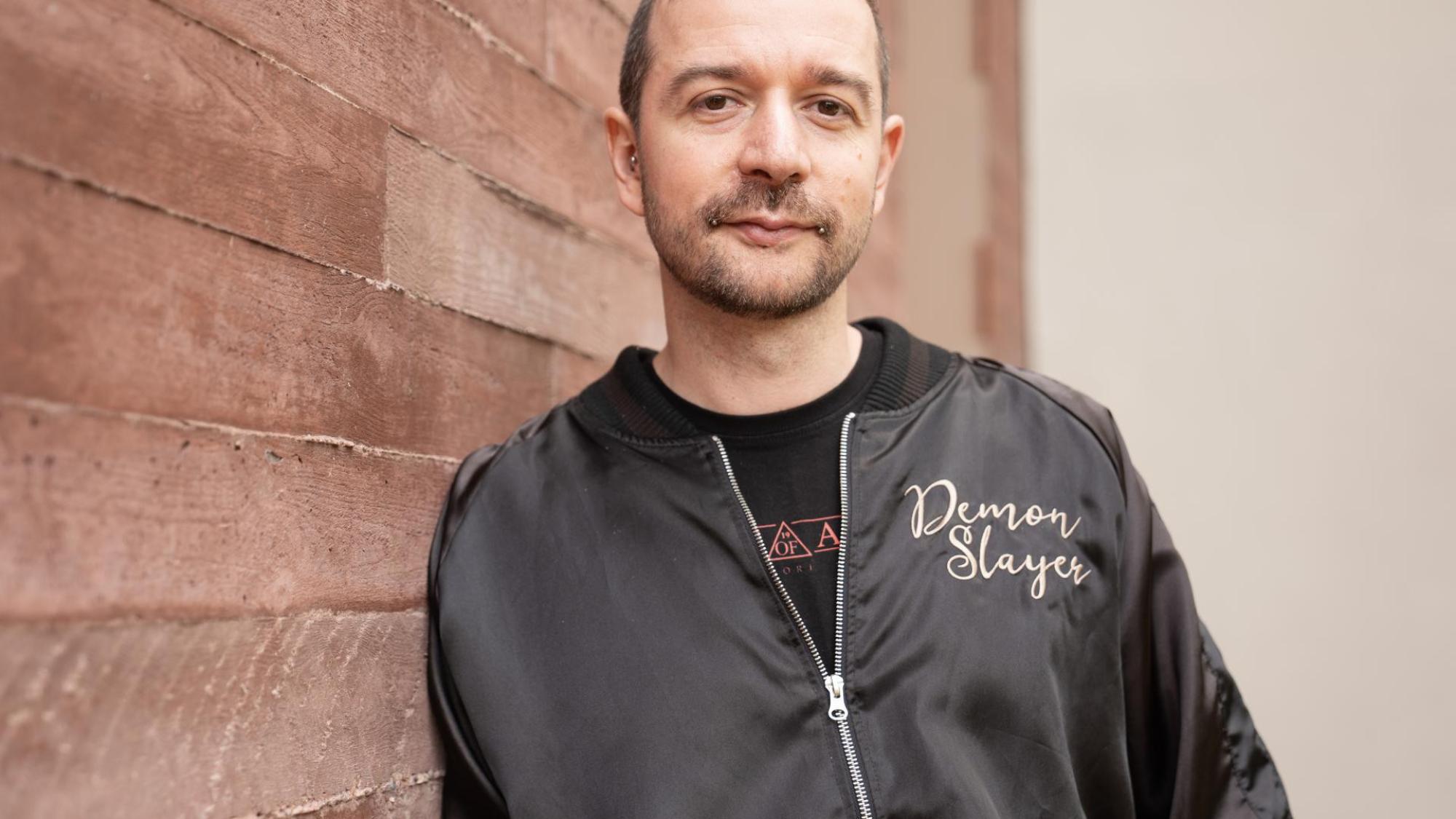
Stevan Dojčinović
Stevan Dojčinović is an investigative journalist from Serbia, co-founder of KRIK, an independent newsroom specializing in organized crime and corruption. He is also the Balkans editor for the Organized Crime and Corruption Reporting Project (OCCRP).
For more than 15 years, Stevan has investigated organized crime groups, high-level corruption, and money laundering. Much of his work has focused on exposing the links between politicians, organized crime and security services, as well as the ways in which criminal cartels and political actors use violent football hooligan groups for their own benefit. His reporting has been part of major international collaborations, including the Panama Papers, Dubai Unlocked, Swiss Secrets, and other. He is the author of the book “Šarić – How the Balkan Cocaine Cartel Conquered Europe.” Stevan also trains journalists on how to safely investigate organized crime, with a particular focus on physical security. He has received numerous national and international awards for his work, including the Knight International Journalism Award.
Because of this work, Stevan and KRIK have faced years of pressure from political, criminal and state structures in Serbia. More than 30 lawsuits have been filed against KRIK and Stevan as its editor, including criminal lawsuits, while smear campaigns against have continued for years. They have also been subjected to threats and surveillance by Serbia’s intelligence services. Stevan has been banned from entering at least two countries, Russia and the United Arab Emirates. Despite this pressure, Stevan and his team continue to report on issues of public interest and defend the role of independent journalism in a shrinking democratic space.
During the Berlin fellowship, Stevan is looking forward to strengthening his knowledge of digital security. He also hopes to exchange experiences with other journalists facing similar pressures, learn from the German media and civil society environment, and use the fellowship as space to reflect on how independent media can survive and grow under authoritarian pressure.